

On sale

Enjoy free shipping on orders over $99
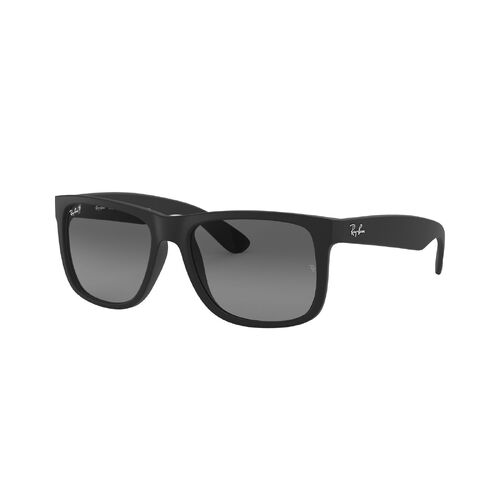
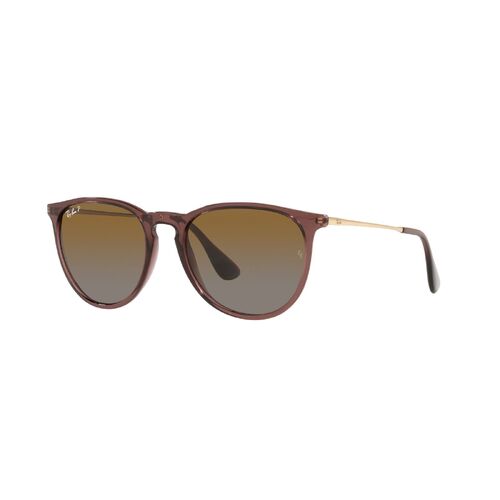
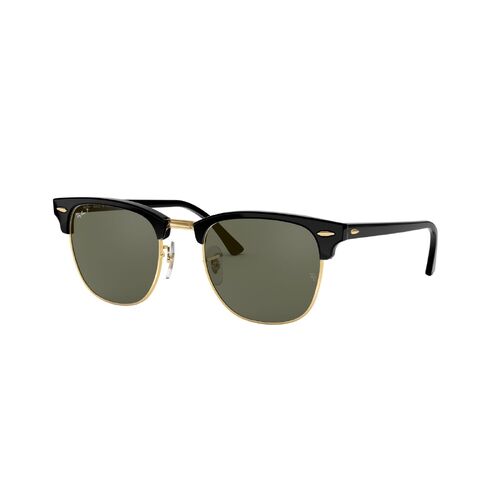
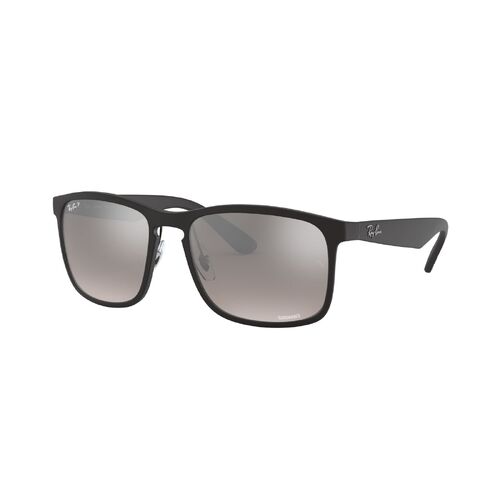
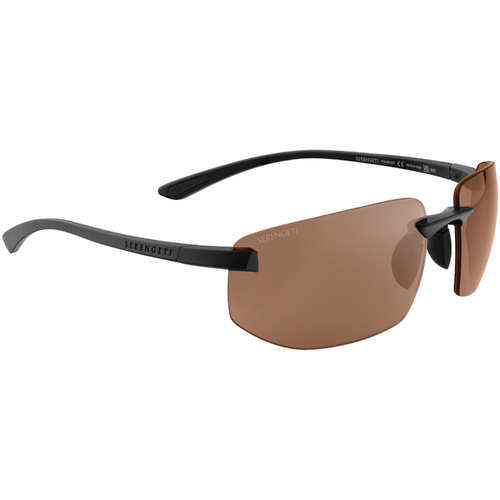
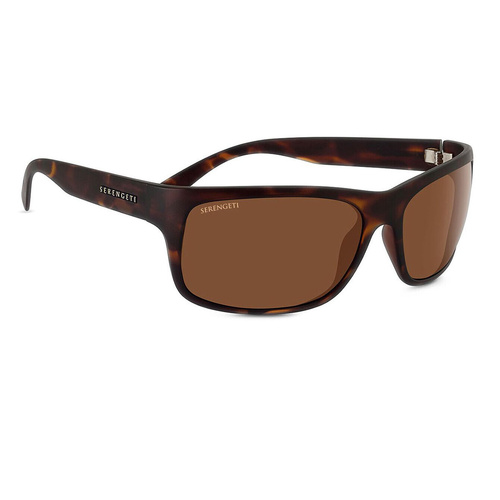
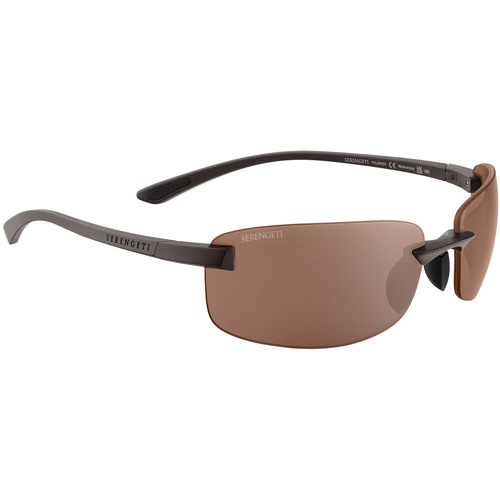
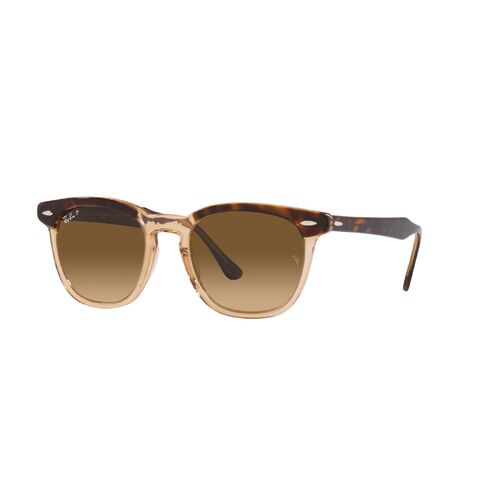
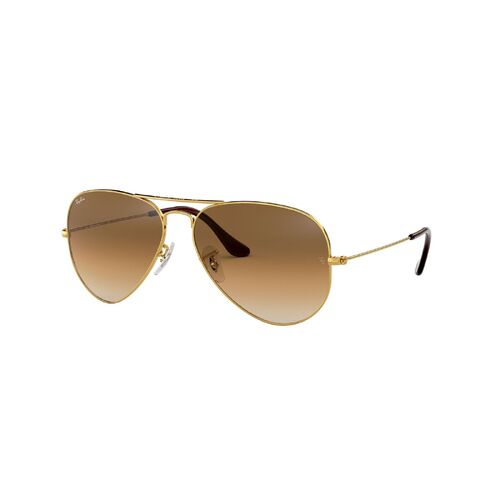
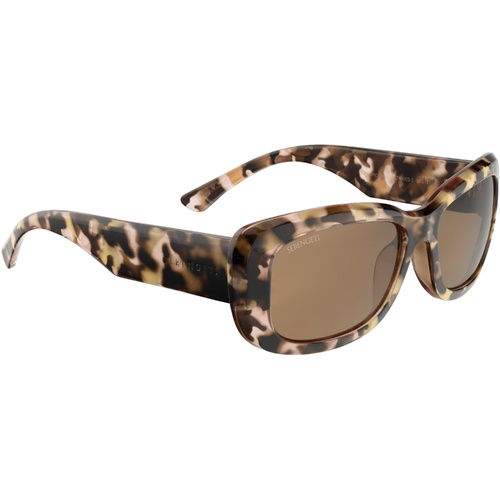
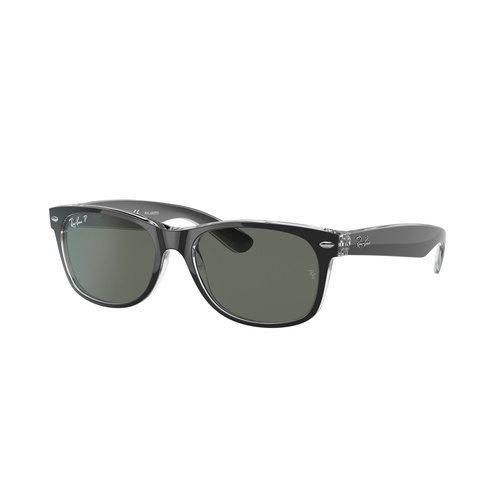
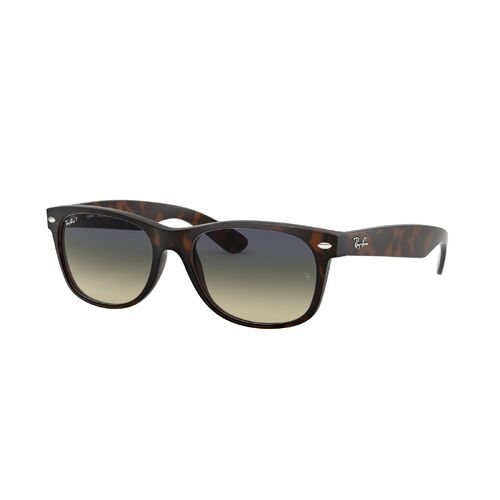
Made for the road
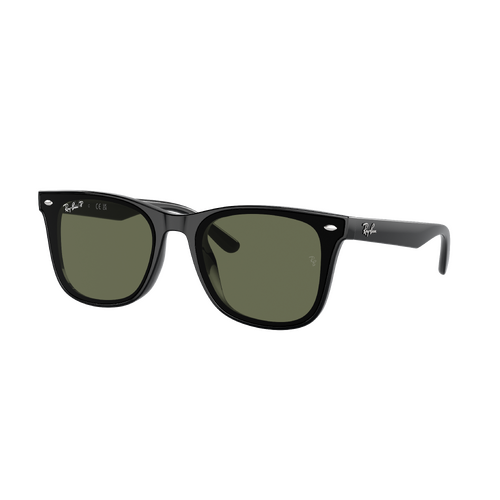
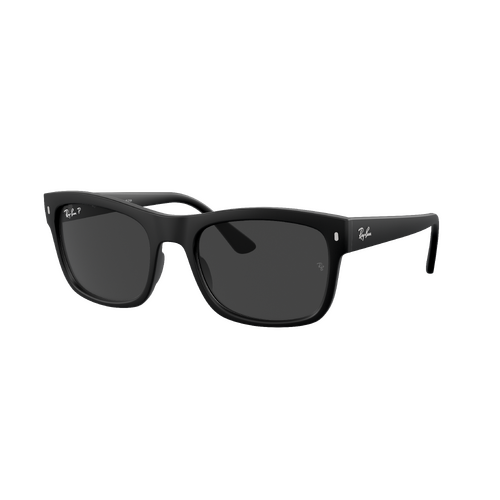
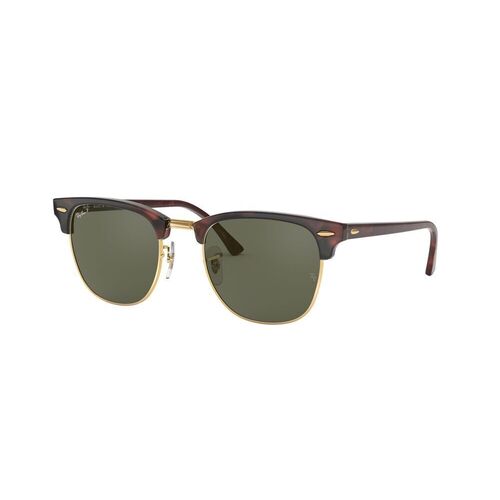
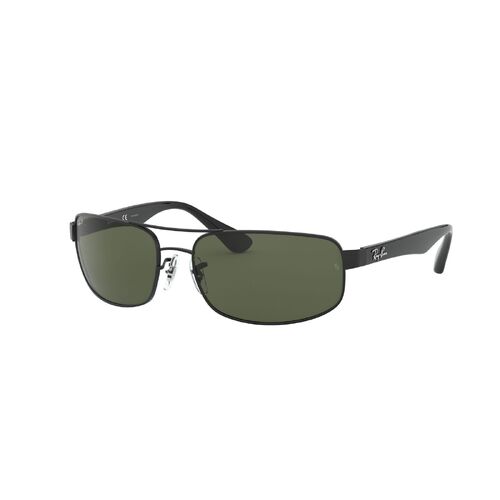
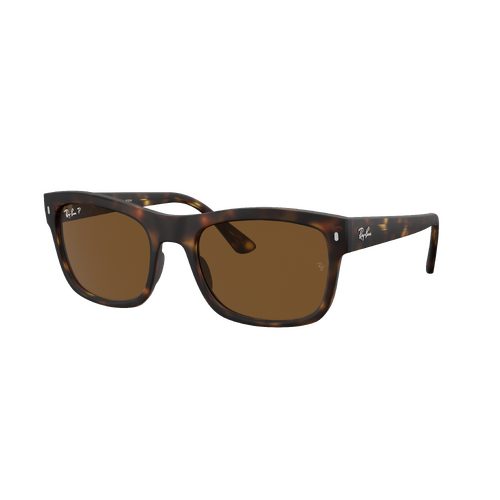
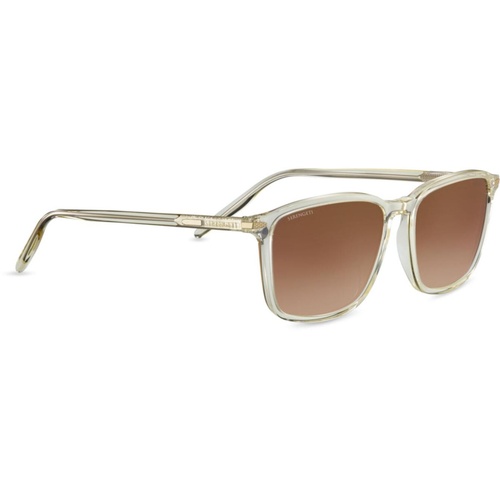
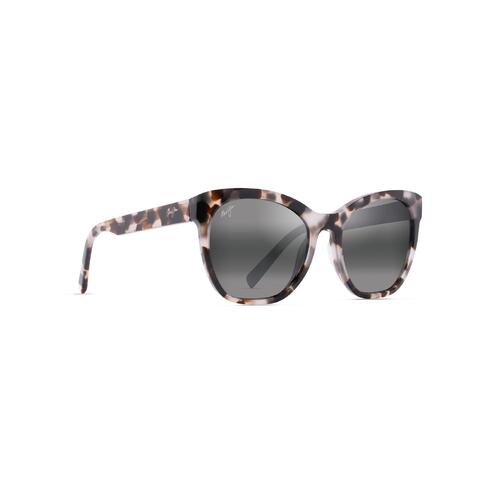
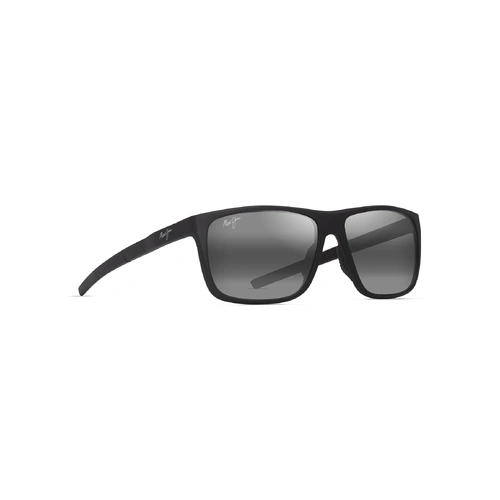
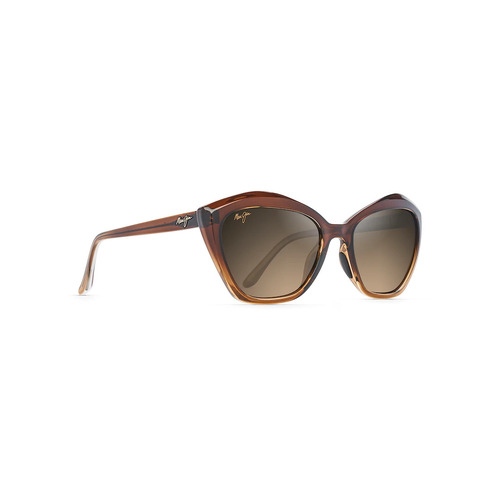
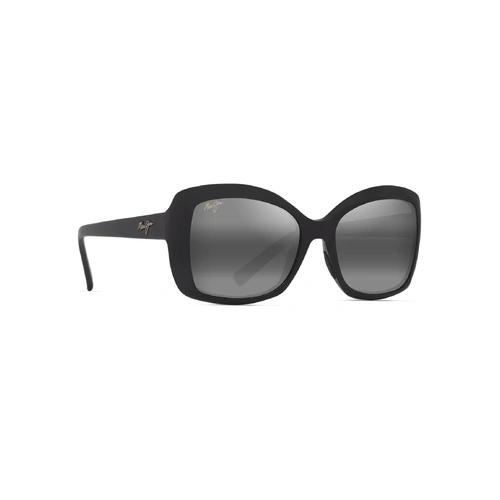
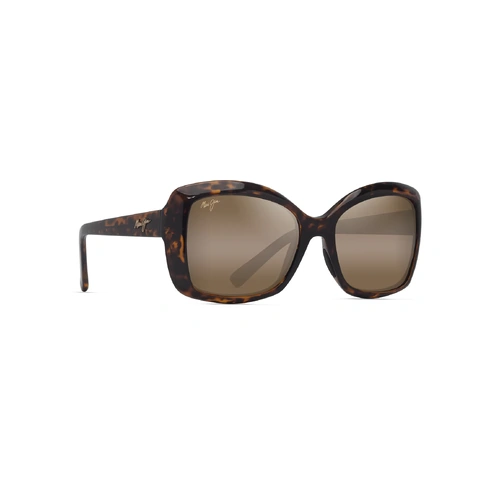
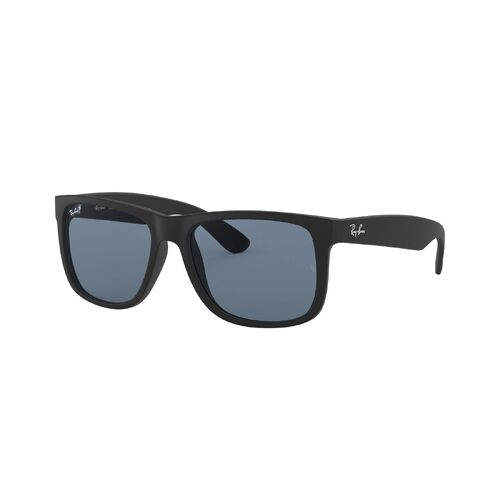
The best driving sunglasses are polarised, in lens category 2 or 3. Polarisation cuts the flat glare that bounces off wet roads, windscreens and bonnets, while category 2–3 tints are dark enough for Australian sun without crushing shadow detail — under the Australian standard AS/NZS 1067.1:2016, category 4 lenses are too dark for driving and must not be worn behind the wheel. Photochromic lenses suit changing light, with one caveat: most react to UV, and a car windscreen blocks much of it, so they darken less inside the cabin. Serengeti built its reputation on exactly this problem — its photochromic mineral-glass drivers’ lenses are designed to adapt behind glass — while Maui Jim, Ray-Ban and Persol offer polarised classics. Every pair BrightEyes sells is UV400-rated and carries a full Australian manufacturer warranty.
Shop driving favourites: Serengeti, Maui Jim, Ray-Ban, Persol and Oakley, or browse all polarised and photochromic sunglasses.
Yes - glare reduction off wet roads and other cars is immediate and obvious. The one trade-off: some phone and dashboard screens can look darker at certain angles.
Category 2 or 3 under the Australian standard AS/NZS 1067. Category 4 is made for extreme glare like alpine snow and open water, and is too dark for driving.
Most photochromic lenses react to UV, which windscreens largely block, so they darken less inside a car. Serengeti's photochromic drivers' lenses are designed to adapt behind glass.