Polarised Sunglasses
BrightEyes carries polarised sunglasses in styles including square, wrap and aviator, from brands such as Mangrove Jacks, Stiletto, Ray-Ban, Oakley, Maui Jim and Spotters. Try selected frames in the browser, get a free fitting and adjustment in any BrightEyes store from Cairns to Broome, and return eligible online orders by post within 30 days for a refund.
How polarised lenses work
Light reflecting at an angle off a flat surface such as water or a road becomes partly polarised. A polarised lens filters horizontally polarised light and can reduce reflected glare from water, snow and wet roads. In 1936, Edwin H. Land began experimenting with sunglass lenses using his Polaroid filter.
When polarised lenses help, and when they do not
Polarised lenses can reduce glare at some angles, making it easier to see below the surface when fishing or boating. On the road they cut glare from the road surface when driving into the sun, especially on wet roads. They also reduce reflected light off snow.
They are not for everything. LCD screens work by polarising light, so a phone or monitor can look dim or unreadable through polarised lenses. Some toughened glass, such as car windows, can show coloured patterns. The US Federal Aviation Administration does not recommend polarised lenses for pilots, because they can reduce the visibility of instruments with anti-glare filters.
Choosing a polarised frame
Mangrove Jacks is the polarised brand we sell most, followed by Stiletto, Ray-Ban, Maui Jim and Oakley. Popular Mangrove Jacks options include the Drop Off, Harley, Barracuda and Panama squares and the Dingo and Black Jack wraps. The Ray-Ban RB4165 Justin is a small square nylon frame. Stiletto’s Rose, Ashley and Daphne are available in brown wrap styles, and Daphne also has a black option. The matte black Oakley Batwolf is a wraparound shield with Prizm Grey polarised lenses. Square frames are the most common shape in our polarised range. Browse men's or women's sunglasses, or read our face shape guide.
Polarised lens options
Polycarbonate is a lightweight lens material used in popular models such as the Mangrove Jacks Drop Off and Dingo. Photochromic lenses darken when exposed to UV light. Smith says its ChromaPop lenses filter wavelengths where colour channels overlap. Look for hydrophobic or anti-reflective coatings in the details for your chosen lens.
Polarised sunglasses questions
Are polarised sunglasses better than non-polarised?
Polarised lenses can reduce reflected glare from water, snow and wet roads. On wet roads they can reduce reflected glare more than non-polarised lenses of the same tint density. Screens can look dark through them, and UV protection is a separate rating on the label.
Do polarised sunglasses protect against UV?
Polarisation cuts glare; UV protection is a separate rating. Cancer Council Australia says the darkness or colour of a lens does not indicate its UV protection, so check the label: it recommends close-fitting, wraparound sunglasses that meet AS/NZS 1067 with lens category 2, 3 or 4. Judge every polarised frame on that label.
Can I drive in polarised sunglasses?
Polarised sunglasses can reduce road glare in daylight if their lens category is suitable for driving. Check the label before driving. Never wear category 4 sunglasses while driving. Category 3 sunglasses are unsuitable for driving at night or in dull light, and sunglasses can reduce visibility in low light.
Why do screens look dark through polarised lenses?
Because the screen is polarised too. An LCD uses polarising sheets, so a display can dim or become hard to read at some angles through polarised lenses. Turning your head changes the effect. This dimming can occur with polarised lenses.
How can I tell if my sunglasses are polarised?
Hold the lenses in front of a known polarised pair and rotate one pair 90 degrees. A marked darkening can indicate that the lenses are polarised. Screen dimming as you tilt your head is another clue. Check the product label to confirm.
Which polarised sunglasses are best for fishing?
Look for a close-fitting polarised frame to help reduce glare off the water. Our fishing range includes polarised frames from Spotters, Costa Del Mar, Mangrove Jacks, Ugly Fish, Mako, Tonic Eyewear and Maui Jim, and Oakley's Prizm Deep Water lenses. Cancer Council Australia recommends close-fitting wraparound sunglasses. The Mangrove Jacks Dingo is one wraparound option.
What should I compare when choosing polarised sunglasses?
Compare fit, frame shape and lens features for the activity you have in mind. Check the lens category and UV information on the label. Current prices are shown on the product listings on this page.
I wear prescription glasses. Can I get polarised sunglasses?
BrightEyes does not fit prescription lenses. You can wear polarised fitovers or clip-ons with your existing glasses: a fitover sits over your glasses, and a clip-on fixes to the front of them. An optometrist can help with prescription sun lenses.
Frames



Polarised at BrightEyes
BrightEyes carries polarised sunglasses in styles including square, wrap and aviator, from brands such as Mangrove Jacks, Stiletto, Ray-Ban, Oakley, Maui Jim and Spotters. Try selected frames in the browser, get a free fitting and adjustment in any BrightEyes store from Cairns to Broome, and return eligible online orders by post within 30 days for a refund.
How polarised lenses work
Light reflecting at an angle off a flat surface such as water or a road becomes partly polarised. A polarised lens filters horizontally polarised light and can reduce reflected glare from water, snow and wet roads. In 1936, Edwin H. Land began experimenting with sunglass lenses using his Polaroid filter.
When polarised lenses help, and when they do not
Polarised lenses can reduce glare at some angles, making it easier to see below the surface when fishing or boating. On the road they cut glare from the road surface when driving into the sun, especially on wet roads. They also reduce reflected light off snow.
They are not for everything. LCD screens work by polarising light, so a phone or monitor can look dim or unreadable through polarised lenses. Some toughened glass, such as car windows, can show coloured patterns. The US Federal Aviation Administration does not recommend polarised lenses for pilots, because they can reduce the visibility of instruments with anti-glare filters.
Choosing a polarised frame
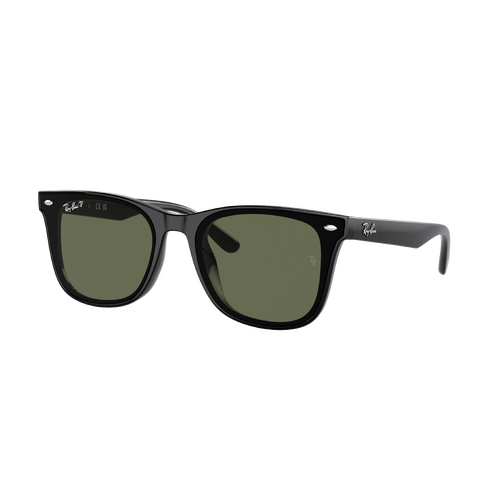
Mangrove Jacks is the polarised brand we sell most, followed by Stiletto, Ray-Ban, Maui Jim and Oakley. Popular Mangrove Jacks options include the Drop Off, Harley, Barracuda and Panama squares and the Dingo and Black Jack wraps. The Ray-Ban RB4165 Justin is a small square nylon frame. Stiletto’s Rose, Ashley and Daphne are available in brown wrap styles, and Daphne also has a black option. The matte black Oakley Batwolf is a wraparound shield with Prizm Grey polarised lenses. Square frames are the most common shape in our polarised range. Browse men's or women's sunglasses, or read our face shape guide.
Polarised lens options
Polycarbonate is a lightweight lens material used in popular models such as the Mangrove Jacks Drop Off and Dingo. Photochromic lenses darken when exposed to UV light. Smith says its ChromaPop lenses filter wavelengths where colour channels overlap. Look for hydrophobic or anti-reflective coatings in the details for your chosen lens.
Polarised sunglasses questions
Are polarised sunglasses better than non-polarised?
Polarised lenses can reduce reflected glare from water, snow and wet roads. On wet roads they can reduce reflected glare more than non-polarised lenses of the same tint density. Screens can look dark through them, and UV protection is a separate rating on the label.
Do polarised sunglasses protect against UV?
Polarisation cuts glare; UV protection is a separate rating. Cancer Council Australia says the darkness or colour of a lens does not indicate its UV protection, so check the label: it recommends close-fitting, wraparound sunglasses that meet AS/NZS 1067 with lens category 2, 3 or 4. Judge every polarised frame on that label.
Can I drive in polarised sunglasses?
Polarised sunglasses can reduce road glare in daylight if their lens category is suitable for driving. Check the label before driving. Never wear category 4 sunglasses while driving. Category 3 sunglasses are unsuitable for driving at night or in dull light, and sunglasses can reduce visibility in low light.
Why do screens look dark through polarised lenses?
Because the screen is polarised too. An LCD uses polarising sheets, so a display can dim or become hard to read at some angles through polarised lenses. Turning your head changes the effect. This dimming can occur with polarised lenses.
How can I tell if my sunglasses are polarised?
Hold the lenses in front of a known polarised pair and rotate one pair 90 degrees. A marked darkening can indicate that the lenses are polarised. Screen dimming as you tilt your head is another clue. Check the product label to confirm.
Which polarised sunglasses are best for fishing?
Look for a close-fitting polarised frame to help reduce glare off the water. Our fishing range includes polarised frames from Spotters, Costa Del Mar, Mangrove Jacks, Ugly Fish, Mako, Tonic Eyewear and Maui Jim, and Oakley's Prizm Deep Water lenses. Cancer Council Australia recommends close-fitting wraparound sunglasses. The Mangrove Jacks Dingo is one wraparound option.
What should I compare when choosing polarised sunglasses?
Compare fit, frame shape and lens features for the activity you have in mind. Check the lens category and UV information on the label. Current prices are shown on the product listings on this page.
I wear prescription glasses. Can I get polarised sunglasses?
BrightEyes does not fit prescription lenses. You can wear polarised fitovers or clip-ons with your existing glasses: a fitover sits over your glasses, and a clip-on fixes to the front of them. An optometrist can help with prescription sun lenses.
Read our guide
- Category 4 sunglasses: what lens categories 0 to 4 mean: What the lens category number on the label means, from 0 to 4.
- What does UV400 mean on sunglasses?: What UV400 on the label tells you, and how it differs from polarised.